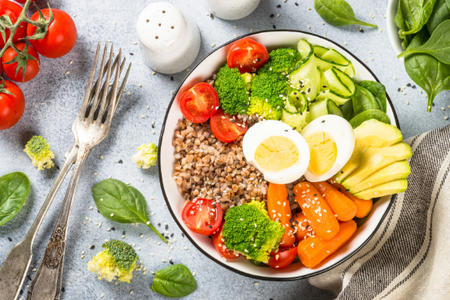
Nutrition; a world filled with fast food, packaged snacks, and endless convenience meals, going back to basics can be life-changing. Whole foods—fresh fruits, vegetables, grains, nuts, seeds, and lean proteins—remain the foundation of healthy eating. They deliver nutrients in their most natural form, without the additives, preservatives, or excess sugars that often harm long-term health nutrition

What Are Whole Foods?
In a world filled with fast food, packaged snacks, and endless convenience meals, going back to basics can be life-changing. Whole foods—fresh fruits, vegetables, grains, nuts, seeds, and lean proteins—remain the foundation of healthy eating. They deliver nutrients in their most natural form, without the additives, preservatives, or excess sugars that often harm long-term health nutrition.
Eating whole foods supports not only physical health but also mental well-being. Nutrient-dense foods provide essential vitamins and minerals that fuel energy, support immune function, and maintain healthy brain function. For example, leafy greens and brightly colored vegetables are rich in antioxidants, which combat oxidative stress and inflammation, key contributors to chronic diseases like heart disease and diabetes. Similarly, whole grains and legumes supply fiber, promoting healthy digestion, regulating blood sugar, and keeping you fuller for longer.
Beyond nutrition, whole foods help regulate the body’s natural systems. Healthy fats from nuts, seeds, avocados, and fatty fish support hormone balance, cognitive function, and cardiovascular health. Lean proteins from sources like chicken, fish, tofu, and beans help repair tissues, maintain muscle mass, and stabilize energy levels throughout the day
Why Whole Foods Matter;nutrition
- Nutrient Density: Whole foods provide vitamins, minerals, antioxidants, and fiber in optimal proportions.
- Satiety and Energy: High fiber keeps you fuller for longer, preventing unnecessary snacking.
- Disease Prevention: Studies show diets rich in whole foods lower the risk of obesity, heart disease, diabetes, and certain cancers.
- Digestive Health: Natural fibers support a healthy gut and improve digestion.
- easy Ways to Eat More nutrition foods
- Swap refined grains (white bread, pasta) for whole grains (oats, brown rice, quinoa).
- Choose fresh fruit instead of sugary desserts or juice.
- Snack on nuts and seeds instead of chips or candy.
- Cook meals at home using fresh, raw ingredients.
- Fill half your plate with vegetables at every meal.
Building a Lifestyle Around Whole Foodsnutritio
The beauty of whole foods is their simplicity—they don’t require complicated rules or extreme diets. Just by including more of them daily, you create a balanced way of eating that naturally supports wellness, energy, and longevity nutrition’