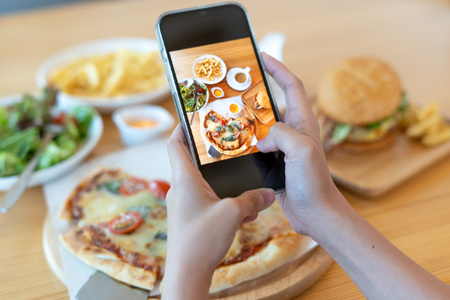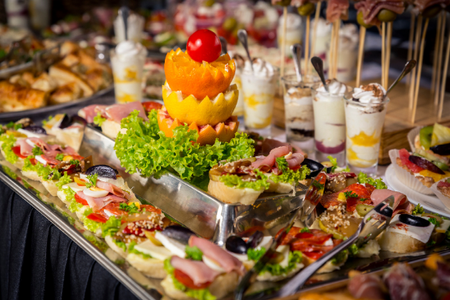
In today’s digital world, food doesn’t just satisfy hunger—it entertains, inspires, and even shapes global conversations. Platforms like Instagram, TikTok, and YouTube have transformed how people discover, cook, and consume food. Social media has become a powerful driver of food trends, turning ordinary dishes into overnight sensations.
Viral Recipes and Challenges
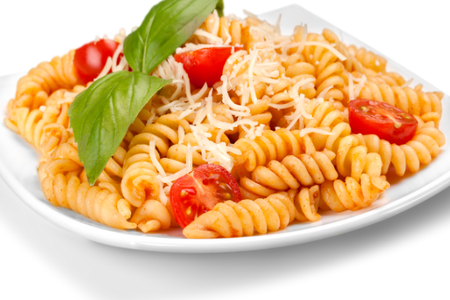
Remember dalgona coffee during the pandemic or the baked feta pasta trend? These viral recipes spread like wildfire, with millions recreating them at home. Social media challenges fuel excitement, making people feel like part of a global food experiment.
Food as Aesthetic
Food is now judged not just by taste but also by how it looks on camera. Colorful smoothie bowls, rainbow bagels, and carefully plated meals are crafted to be “Instagram-worthy.” This has raised the bar for presentation and pushed restaurants to design dishes that are as photogenic as they are delicious.
Influencers as Food Authorities
Food bloggers and influencers have become tastemakers. A single recommendation or viral video can skyrocket the popularity of a restaurant or product. For many, scrolling through TikTok food hacks has replaced flipping through cookbooks.
Global Exposure at Your Fingertips
Social media has broken cultural barriers in food. A user in Lagos can watch how ramen is prepared in Tokyo or learn to make tacos from a Mexican chef. This accessibility fuels cultural exchange and the fusion of cuisines.
The Double-Edged Sword
While social media has democratized food culture, it also promotes fleeting trends and sometimes unhealthy obsessions. Constant exposure to “perfect” food aesthetics can distort reality, while viral but impractical recipes may waste food. Still, its impact on shaping modern food trends is undeniable.