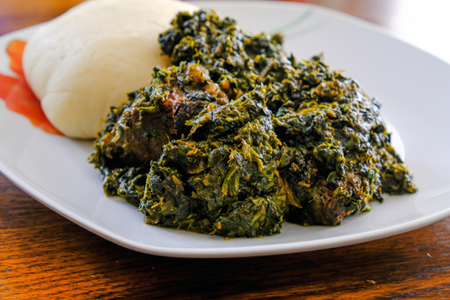
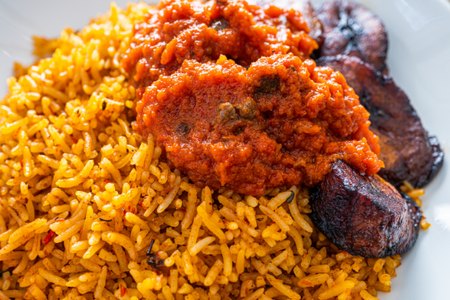
Food Culture

Dive into the cultural side of food—exploring Nigerian dishes, African cuisines, international delicacies, and the history or traditions behind meals.

10 Ways to Explore and Savor Nature’s Essence

1. Travel Through and Explore Your Taste Buds You don’t need a passport to explore global cuisine. Visit international restaurants in your city or try new recipes from different countries at home. Each dish is a doorway into a new world. 2. Learn the Story Behind the Dish Every recipe has a history — a tale of migration, survival, or celebration. Understanding the origins of a dish deepens your appreciation and turns eating into a cultural experience. 3. Cook Traditional Meals from Scratch Dive into cultural cooking by preparing meals using authentic methods and local ingredients. It’s a hands-on way to connect with tradition and taste its original essence. 4. Explore Local Food Markets Markets are living museums of food culture. From exotic spices to indigenous grains, they reveal the soul of a region and its people’s relationship with nature. 5. Join Cultural Food Festivals Festivals celebrate food as more than nourishment — they honor heritage, bring communities together, and allow you to taste seasonal and ceremonial dishes. 6. Document Your Culinary Discoveries Create a food journal, start a blog, or share your experiences online. Reflecting on flavors, techniques, and stories makes your journey memorable and inspiring. 7. Explore: Meet the Makers Talk to farmers, chefs, or street vendors. Their stories often reveal the cultural values, struggles, and pride woven into every dish. 8. Pair Food with History and Geography Understand how climate, migration, and trade routes shaped cuisines. Food culture is a living archive of human adaptation and creativity. 9. Respect Cultural Practices Around Food as you Explore Dining etiquette, meal rituals, and communal practices are as important as the food itself. They reflect a culture’s values, spirituality, and worldview. 10. Create Fusion with Care Experimenting with flavors is exciting, but always honor the roots of the dishes you’re blending. Cultural appreciation, not appropriation, keeps food traditions alive.
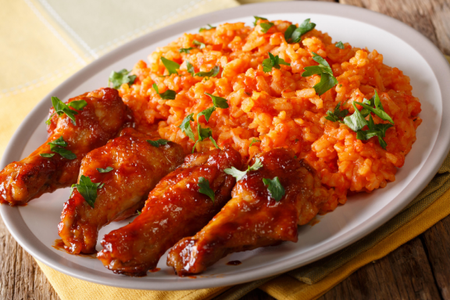
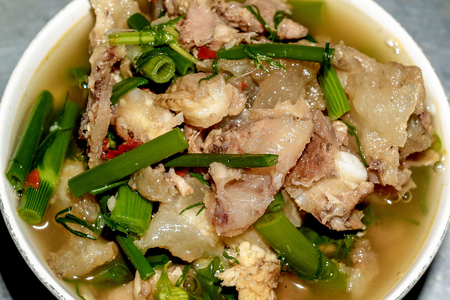
Street Food delicious flavour love by mostly nigerians

Around the world, festivals are not complete without food. Dishes take center stage in cultural celebrations, serving as both symbols of tradition and anchors of community identity. Food at festivals is more than just a meal—it is storytelling, memory-making, and cultural preservation on a plate. Symbolism in Festival Foods Many festival foods carry deep symbolism. In China, mooncakes during the Mid-Autumn Festival represent unity and family togetherness. In Nigeria, rice dishes like jollof or fried rice are staples at Christmas and weddings, symbolizing abundance and joy. In India, sweets like ladoos and jalebis mark Diwali, celebrating light, prosperity, and sweetness in life. A Time of sharing food Festivals encourage generosity, and food plays a key role. Neighbors exchange meals, families cook in large quantities, and strangers are invited to join the table. This act of sharing strengthens bonds and reinforces the values of hospitality and kindness embedded in many cultures. Food as a Bridge Between Generations Festival foods are often prepared using age-old family recipes. Cooking together becomes a way to pass traditions from grandparents to grandchildren, ensuring the continuity of cultural identity. Even as younger generations modernize dishes, the essence of tradition remains intact. Tourism and Cultural Showcases Festivals also attract visitors from around the world, turning food into a cultural showcase. Tourists travel to experience Oktoberfest in Germany, Carnival in Brazil, or the New Yam Festival in Nigeria—not just for the parades and music, but also for the unique food that defines those moments. Preserving Culture in a Changing World In a rapidly globalized world, festivals help keep local food traditions alive. They remind communities of their roots, offering an opportunity to preserve culinary heritage while adapting to new influences.

Street Food: The Beating Heart of Local Food Culture

Street food is more than a quick bite on a busy day—it is often the soul of a city, a place where culture, history, and everyday life collide in one plate. From smoky grills to colorful food carts, street food tells the unfiltered story of a community. The Authentic Taste of a City Unlike fine dining restaurants that might cater to tourists, street food vendors often preserve recipes in their purest form. Think of Lagos suya, Bangkok pad thai, or Mexico City tacos—these are foods deeply tied to tradition and prepared with methods passed down through generations. To taste street food is to taste authenticity. Affordable and Accessible Street food is a great equalizer. It offers everyone—rich or poor—access to delicious meals without the high price tag. In many developing countries, it forms a large part of the informal economy, providing livelihoods to millions of vendors who bring flavor to the streets daily. A Social Experience Eating street food is rarely a solitary act. You find yourself standing shoulder-to-shoulder with strangers, bonding over skewers, bowls, or wraps. The laughter, aromas, and chatter at food stalls transform eating into a communal experience. Innovation in Simplicity Street food thrives on creativity within constraints. Vendors innovate with local ingredients and limited tools, resulting in unique flavors that sometimes inspire global food trends. For instance, the humble bánh mì sandwich from Vietnam is now a global sensation, rooted in simple street-side beginnings. Challenges and Opportunities While street food is beloved, it faces challenges such as health and hygiene concerns, lack of regulation, and sometimes displacement due to urban development. Yet, many governments and cities are beginning to recognize its cultural and economic value, setting up food festivals and markets that celebrate these culinary treasures.

The Art of Sharing Meals: How Food Shapes Culture and Connection

Food is far more than sustenance—it is one of the strongest markers of cultural identity and a universal language that transcends borders. Across centuries and continents, food has been used to build communities, express values, and celebrate traditions. Food as a Cultural Identity Every culture has dishes that tell a story. From Nigerian jollof rice battles that spark friendly rivalry across West Africa, to the Italian tradition of hand-making pasta as a symbol of family heritage, food is a thread that connects people to their roots. A single recipe can hold generations of history, passed down like a treasured heirloom. Rituals Around the Table Meals are rarely just about eating. They carry rituals that define social bonds. In many Asian cultures, sharing food from communal plates emphasizes unity and respect. In African households, large feasts are central to festivals, weddings, and funerals, reinforcing the value of togetherness. Even the Western concept of a “family dinner” represents a daily ritual of bonding. Globalization and Fusion With migration and technology, food culture continues to evolve. Sushi burritos, Nigerian suya tacos, and Korean barbecue pizza are examples of how culinary traditions fuse to create new global experiences. While some worry this dilutes cultural authenticity, others see it as a celebration of diversity and innovation. Food and Memory Smell and taste have powerful connections to memory. A whiff of fresh bread might take someone back to childhood mornings, while the aroma of spices can instantly transport one to a grandmother’s kitchen. Food binds emotions to experiences, shaping how we remember people and places. Looking Forward: Food as Activism Today, food culture is not only about tradition but also about responsibility. Movements around veganism, sustainable farming, and food waste reduction highlight how our eating habits can influence the planet. Choosing local ingredients, supporting ethical farming, or embracing plant-based meals is now part of how many cultures redefine their values in the 21st century.

Scroll to Top