Smoky Street Snack love by Nigerians

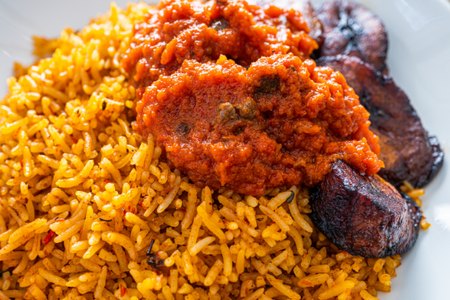
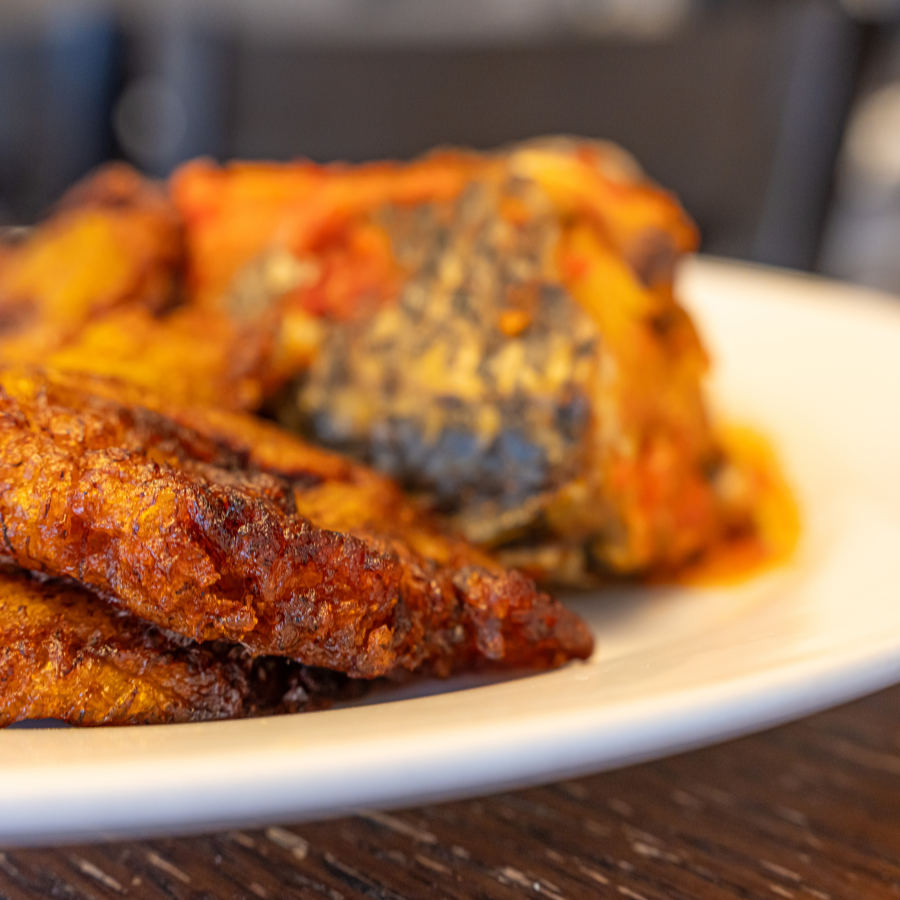
Boli, also known as roasted plantain, is one of Nigeria’s most beloved street foods. Found sizzling on roadside grills, boli is enjoyed as a quick snack or a full meal when paired with groundnut, pepper sauce, or fish.Street Snack The beauty of boli lies in its simplicity. Ripe plantains are roasted over open fire until the skin blackens and the inside becomes soft, smoky, and sweet. In cities like Port Harcourt, boli is a cultural symbol—often served with spicy pepper sauce and grilled fish, turning a humble snack into a hearty feast.🥗 Nutritional Benefits Boli is not only delicious but also healthy. Plantains are rich in fiber, potassium, and vitamins A & C. When roasted, they require no extra oil, making boli a lighter alternative to fried snacks like puff-puff or akara. Pairing with fish or vegetables makes it even more nutritious. 🍽️ Modern Twists on Boli;Street Snack Today, chefs are reimagining boli beyond the roadside. Some serve it as grilled plantain chips, others plate it with avocado, coleslaw, or even as a side dish in fine dining restaurants. This shows how a humble street snack can cross into gourmet territory while still keeping its cultural roots. A Symbol of Community;Street Snack For many Nigerians, boli is not just food—it’s a reminder of home, childhood, and togetherness. Families gather around during rainy evenings to enjoy it hot, while friends often share it at street corners after work. It’s a dish that connects people, cutting across age and class. http://techalphahub.com Final Thoughts Boli represents the soul of Nigerian street food: simple, smoky, affordable, and deeply satisfying. Whether paired with groundnut on a busy Lagos street or with grilled fish in Port Harcourt, boli remains a timeless snack that blends tradition, health, and pure flavor. Whether eaten on the go, shared at gatherings, or savored during festivals, boli remains a timeless street favorite that unites flavor, tradition, and nostalgia.


How to prepare spicy beans ball Loved by Nigeria

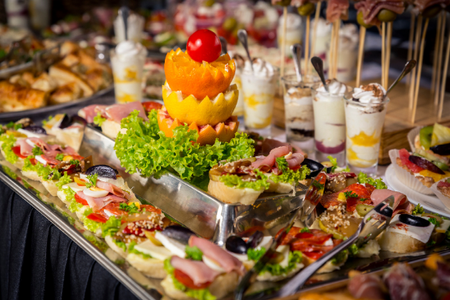
Akara is one of Nigeria’s most popular street foods and breakfast staples. While the traditional recipe remains the favorite, there are creative twists that make it even more exciting. Here are ten ways to prepare and enjoy beans ball 1. Classic beans ball The traditional recipe made from peeled beans, blended with onions, peppers, and salt, then deep-fried until golden brown. 2. beans ball with Crayfish Adding ground crayfish to the bean batter gives akara a rich, savory, seafood flavor that pairs perfectly with pap. 3. Spicy beans ball Increase the amount of fresh pepper or add chili powder to create a fiery version for spice lovers. 4 beans ball with Vegetables Chopped spinach, ugu (pumpkin leaves), or kale can be added to the batter for extra nutrition and color. 5. Akara with Corn Mixing in sweet corn kernels creates a crunchy, sweet-savory twist that balances the beans beautifully. 6. Stuffed Akara Fill the batter with small cubes of cheese, shrimp, or minced meat before frying for a modern street-food upgrade. 7. Akara in Banana Leaves Instead of deep-frying, scoop the batter into banana leaves and steam or bake it for a healthier, traditional-inspired version. 8. Oven-Baked Akara For a lighter option, bake the akara batter in muffin trays instead of frying. This reduces oil but keeps the flavor. 9. Akara with Coconut Milk Replace some of the water with coconut milk when blending the beans. It adds a subtle sweetness and creaminess. 10. Mini Party Akara (Finger Food Style) Make bite-sized akara balls served with toothpicks. Perfect for weddings, birthdays, and cocktail events as part of “small chops.” 🥄 Final Thoughts Food Culturehttp://https;//wa;me From the classic roadside version to modern twists with vegetables, crayfish, or even baking, akara proves to be one of Nigeria’s most versatile dishes. Whether served with pap, bread, or enjoyed on its own, there’s an akara for every taste and occasion.

How to Perfectly make Puff-Puff

Puff-puff may look simple, but achieving the right fluffiness requires balance. The secret lies in proper yeast activation, the right flour-to-water ratio, and perfect frying temperature. Get these steps right, and you’ll enjoy that is golden outside yet soft inside 1. The Role of Yeast in puff-puff Yeast is the heart of puff-puff. It gives the dough its rise and airy texture. To activate yeast properly, warm water (not hot) should be used, mixed with a little sugar. If the yeast doesn’t bubble within 5–10 minutes, it’s inactive and won’t give your puff-puff the desired fluff. 2. Flour-to-Water Ratio The consistency of your batter determines how light it turns out. Too much water makes it soggy, while too little makes it dense. The batter should be thick but still able to drop smoothly from your fingers or a spoon. 3. Frying Temperature in Puff-puff Heat control is everything. If the oil is too hot, the outside browns quickly while the inside remains raw. If it’s too low, it absorbs oil and turns greasy. The ideal temperature allows the dough balls to float gently, sizzling as they cook to an even golden brown. 4. Flavor Boosters Traditionally, puff-puff is made with just flour, yeast, sugar, and water. But you can add nutmeg for a warm aroma, a pinch of salt to balance the sweetness, or even cinnamon for a modern twist. Some adventurous cooks even glaze them with honey or roll them in powdered sugar for extra indulgence. 5. Puff-Puff Beyond the Streets Though it’s a beloved street snack, has evolved into a party staple and even a gourmet dessert. At weddings, birthdays, and festivals, it’s often served alongside small chops like samosas and spring rolls. Restaurants and food vendors are also reinventing it with fillings such as chocolate, custard, or savory spices. Final Thought http://www.facebook.com Perfect it is all about balance: the right yeast, the right texture, and the right oil temperature. Whether you enjoy it plain on the streets or as a modern variation at a party, it remains one of Nigeria’s most cherished snacks—a sweet bite of culture and comfort.

10 Steps to Healthy Eating: Nourish Your Body & Mind

Healthy eating is a lifestyle, not a quick fix. Start small, stay consistent, and enjoy the journey to a healthier, happier you. 10 Steps to Healthy Eating 1. Eat More Fruits and Vegetables Fill half your plate with fresh produce — they’re packed with essential vitamins, minerals, and fiber. 2. Choose Whole Grainsfor healthy eating Opt for whole grains like brown rice, oats, and quinoa instead of refined grains for long-lasting energy. 3.Healthy eating; Stay Hydrated Drink plenty of water throughout the day to support digestion, circulation, and overall health. 4. Limit Processed Foods Reduce sugary snacks, fast food, and packaged meals — they’re often high in unhealthy fats and sodium. 5.Healthy eating; Control Portion Sizes Be mindful of how much you eat. Smaller, balanced portions help prevent overeating and maintain a healthy weight. 6. Include Lean Proteins Choose lean sources like chicken, fish, beans, and tofu to support muscle growth and repair. 7. Cut Down on Added Sugars Limit sweetened drinks and desserts. Too much sugar can lead to weight gain and chronic diseases. 8. Cook More at Home Homemade meals give you full control over ingredients and portion sizes, making it easier to eat healthy. 9. Practice Mindful Eating Eat slowly, enjoy every bite, and listen to your body’s hunger and fullness signals. 10. Plan Your Meals Ahead Meal planning helps you make healthier choices and reduces the temptation of unhealthy options.

How to Prepare Rice and Stew: A Simple, Delicious Guide

Discover how to cook classic Rice and Stew with this easy step-by-step guide. A flavorful, comforting dish perfect for family dinners and everyday meals. 1. Cook the Rice 2. Prepare the Rice and Stew Base 3. Add the Blended Mixture 4. Season and Add Protein for the rice and stew 5. Serve and Enjoy 🍽️ Pro Tips

10 Ways to Explore and Savor Nature’s Essence

1. Travel Through and Explore Your Taste Buds You don’t need a passport to explore global cuisine. Visit international restaurants in your city or try new recipes from different countries at home. Each dish is a doorway into a new world. 2. Learn the Story Behind the Dish Every recipe has a history — a tale of migration, survival, or celebration. Understanding the origins of a dish deepens your appreciation and turns eating into a cultural experience. 3. Cook Traditional Meals from Scratch Dive into cultural cooking by preparing meals using authentic methods and local ingredients. It’s a hands-on way to connect with tradition and taste its original essence. 4. Explore Local Food Markets Markets are living museums of food culture. From exotic spices to indigenous grains, they reveal the soul of a region and its people’s relationship with nature. 5. Join Cultural Food Festivals Festivals celebrate food as more than nourishment — they honor heritage, bring communities together, and allow you to taste seasonal and ceremonial dishes. 6. Document Your Culinary Discoveries Create a food journal, start a blog, or share your experiences online. Reflecting on flavors, techniques, and stories makes your journey memorable and inspiring. 7. Explore: Meet the Makers Talk to farmers, chefs, or street vendors. Their stories often reveal the cultural values, struggles, and pride woven into every dish. 8. Pair Food with History and Geography Understand how climate, migration, and trade routes shaped cuisines. Food culture is a living archive of human adaptation and creativity. 9. Respect Cultural Practices Around Food as you Explore Dining etiquette, meal rituals, and communal practices are as important as the food itself. They reflect a culture’s values, spirituality, and worldview. 10. Create Fusion with Care Experimenting with flavors is exciting, but always honor the roots of the dishes you’re blending. Cultural appreciation, not appropriation, keeps food traditions alive.

Thrilled: Spice Haven – A Taste of Authentic Nigerian Flavors

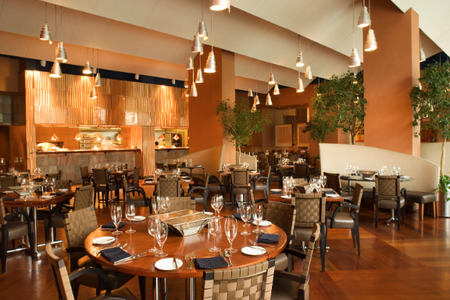
For those who love bold spices and traditional cooking, Spice Haven is a restaurant that truly lives up to its name. Located in the bustling center of town, this eatery has become a hotspot for people craving authentic Nigerian meals served with a modern touch. Spice Haven : Ambience and Atmosphere Spice Haven combines cultural charm with contemporary décor, creating an atmosphere that feels both vibrant and sophisticated. The walls are adorned with bold Ankara prints, telling stories of African heritage and artistry, while soft Afrobeats hum in the background, setting the perfect rhythm for relaxation. The seating is designed for comfort and versatility — plush enough for long conversations, yet spacious enough to host lively group gatherings. Whether you’re planning a casual hangout with friends or an intimate dinner for two, the ambiance adapts seamlessly to your mood. Warm lighting washes over the room, enhancing the colorful accents and giving the space a welcoming glow. The décor is carefully curated to reflect a blend of tradition and modern elegance, making every corner Instagram-worthy. Guests often remark that just stepping inside feels like a mini cultural getaway — a place where food, music, and design converge into an unforgettable experience. Pair this inviting setting with the aroma of freshly prepared delicacies drifting from the kitchen, and you’ll understand why Spice Haven is more than just a restaurant — it’s a cultural dining destination that celebrates community, creativity, and flavor. Service The staff is friendly and approachable, with a genuine enthusiasm for the menu. Service is fairly quick, and the servers take time to explain dishes to first-time visitors unfamiliar with local names or spices. The Menu Spice Haven shines with its variety of Nigerian classics: Drinks include fresh zobo, chapman, and palm wine—true to Nigerian culture. Spice Haven: Price Point Meals are moderately priced and offer good value for the generous portions. Expect to pay a little more than roadside joints, but far less than luxury dining spots. Final Verdict Spice Haven delivers on its promise of authentic taste. Whether you’re a local looking for comfort food or a tourist eager to explore Nigerian cuisine, this spot is a must-visit. ⭐ Rating: 4.6/5 Follow us on Facebook

Remarkable – Comfort Meets Creativity in a well-organized sanctuary environment.

Sometimes, all you want is a cozy corner, Creativity a good cup of coffee, and food that feels like a warm hug.”. That’s exactly what I found at Café Bloom, a charming café tucked away in the heart of the city. Known for its relaxed vibe and creative menu, it’s quickly becoming a favorite spot for students, freelancers, and food lovers alike. Creativity: Ambience and Atmosphere Café Bloom is designed for comfort. Think rustic wooden tables, warm lighting, indoor plants, and soft jazz playing in the background. The walls are dotted with art from local Creativity giving the space a personal touch. Whether you’re here to work, chat with friends, or enjoy some alone time, the atmosphere feels welcoming.Café Bloom is designed for comfort. Think rustic wooden tables, warm lighting, indoor plants, and soft jazz playing in the background. The walls are dotted with art from local creativity, giving the space a personal touch. Whether you’re here to work, chat with friends, or enjoy some alone time, the atmosphere feels welcoming. Every detail at Café Bloom is intentional—from the aroma of freshly brewed coffee that greets you at the door, to the carefully curated menu featuring pastries, sandwiches, and signature lattes. The café offers cozy corners for quiet reflection, as well as communal tables that invite conversation and connection. Creativity: Service The staff at Café Bloom are attentive without being overbearing. Orders are taken quickly, and the servers are happy to recommend their favorites. I appreciated the little details, like being offered a choice between regular, soy, or oat milk without asking. The Menu Café Bloom specializes in light meals and baked goods with a creative twist. Highlights included: Price Point The café is reasonably priced for its quality and creativity. A coffee and a pastry cost about the same as any other café in town, but the experience feels more elevated. Final Verdict Café Bloom is more than just a café—it’s a community space where good food and creativity come together. Perfect for brunch with friends, solo work sessions, or a quick treat after a long day. ⭐ Rating: 4.3/5

most expensive corner at Lagos for eating good food

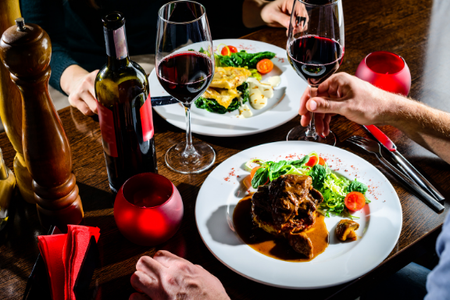
The most expensvive corner at Lagos Dining out is no longer just about eating—it’s about the experience, the atmosphere good food, and the story behind every dish. Recently, I had the chance to visit The Urban Spoon Lagos, a modern fusion restaurant that’s been making waves in the city. Here’s my honest take. Ambience and Atmosphere;good food The good food Service;good food From the moment we walked in, the staff was attentive and welcoming Our server was knowledgeable about the menu, offering recommendations tailored to our preferences. Food was served promptly, and even during the evening rush, the service remained friendly and efficient. The Menu;good food The Urban Spoon blends Nigerian classics with international flair. Standout dishes included: Price Point For the quality and creativity, the prices were reasonable. Expect to spend a bit more than at a casual eatery, but the experience is well worth it. Perfect for date nights, celebrations, or even a business dinner. Final Verdict The Urban Spoon Lagos is a gem that successfully merges tradition with innovation. If you’re looking for a place to impress a guest or enjoy an elevated take on familiar flavors, this restaurant is worth every visit. ⭐ Rating: 4.5/5

Easy made Pancakes Recipe for breakfast

Easy Homemade Pancakes Recipe pancake says comfort like a stack of warm, fluffy . Perfect for breakfast, brunch, or even a sweet evening treat, it is simple to prepare and can be customized with endless toppings. Ingredients:for pancake Instructions: for pancake Why You’ll Love This Recipe These pancakes are fluffy, versatile, and take less than 20 minutes from start to finish. Whether you keep them classic or add chocolate chips, blueberries, or cinnamon, they’re always a crowd-pleaser.

Most sweetest Jollof Rice recipe love by Nigerians

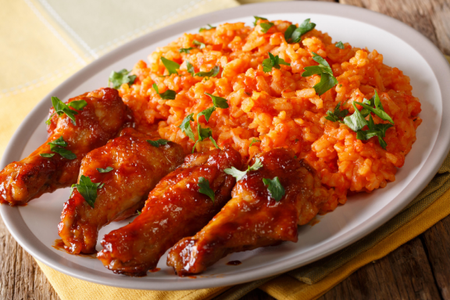
Jollof rice is more than just food—it’s a cultural treasure across West Africa. Famous for its rich, smoky flavor and vibrant red color, this dish is a centerpiece at parties, weddings, and family gatherings. Here’s how to make the classic Nigerian version that keeps everyone coming back for seconds. Ingredients: for jollof rice Instructions: for jollof rice Serving Suggestion Pair your jollof rice with grilled chicken, fried plantains, or coleslaw for a complete meal.

simple and Healthy Avocado Recipe for good skin

Sometimes, the simplest recipes are the most satisfying. Avocado toast has gone from a café trend to a global breakfast staple—and for good reason. It’s nutritious, easy to make, and endlessly customizable. Whether you enjoy it plain or loaded with toppings, it is a quick meal that delivers both flavor and health benefits. Ingredients:for Avocado Instructions: for Avocado Why This Recipe Works itis packed with healthy fats, fiber, and vitamins, while whole-grain bread provides sustained energy. Together, they create a balanced, nutrient-rich meal that’s perfect for breakfast, lunch, or even a light dinner.

food turning to the best of nutrition

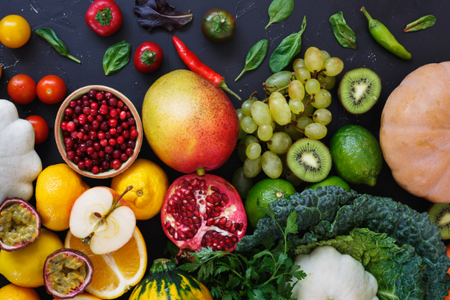
Nutrition; a world filled with fast food, packaged snacks, and endless convenience meals, going back to basics can be life-changing. Whole foods—fresh fruits, vegetables, grains, nuts, seeds, and lean proteins—remain the foundation of healthy eating. They deliver nutrients in their most natural form, without the additives, preservatives, or excess sugars that often harm long-term health nutrition What Are Whole Foods? In a world filled with fast food, packaged snacks, and endless convenience meals, going back to basics can be life-changing. Whole foods—fresh fruits, vegetables, grains, nuts, seeds, and lean proteins—remain the foundation of healthy eating. They deliver nutrients in their most natural form, without the additives, preservatives, or excess sugars that often harm long-term health nutrition. Eating whole foods supports not only physical health but also mental well-being. Nutrient-dense foods provide essential vitamins and minerals that fuel energy, support immune function, and maintain healthy brain function. For example, leafy greens and brightly colored vegetables are rich in antioxidants, which combat oxidative stress and inflammation, key contributors to chronic diseases like heart disease and diabetes. Similarly, whole grains and legumes supply fiber, promoting healthy digestion, regulating blood sugar, and keeping you fuller for longer. Beyond nutrition, whole foods help regulate the body’s natural systems. Healthy fats from nuts, seeds, avocados, and fatty fish support hormone balance, cognitive function, and cardiovascular health. Lean proteins from sources like chicken, fish, tofu, and beans help repair tissues, maintain muscle mass, and stabilize energy levels throughout the day Why Whole Foods Matter;nutrition Building a Lifestyle Around Whole Foodsnutritio The beauty of whole foods is their simplicity—they don’t require complicated rules or extreme diets. Just by including more of them daily, you create a balanced way of eating that naturally supports wellness, energy, and longevity nutrition’

Healthy Eating a better way to Wellness

Healthy eating isn’t about temporary diets or cutting out your favorite meals—it’s about building a sustainable lifestyle that supports your body, mind, and overall well-being. By making conscious choices every day, you can enjoy food while fueling your health. Why Healthy Eating Matters Food is the foundation of health. The nutrients you consume affect your energy, immunity, mood, and even how well you sleep. A balanced diet helps prevent lifestyle-related illnesses such as diabetes, high blood pressure, and heart disease, while also improving focus and productivity. Key Principles of Healthy Eating Benefits of Healthy Eating Building Habits That Last Start small—swap sugary drinks for water, add one extra serving of vegetables daily, or cook at home more often. Over time, these changes stack up and transform into long-term habits that bring lifelong health benefits.

Healthy Eating a way of getting a better Diet

Food is no longer just about taste—it’s about Diet. Today’s consumers are turning toward “functional foods,” meals and ingredients designed not only to nourish but also to improve health, boost energy, and even prevent disease. This trend is reshaping kitchens, restaurants, and grocery shelves worldwide. What Are Functional Foods? Functional Diet are items enhanced with additional nutrients or naturally packed with health-boosting compounds. Think probiotic-rich yogurt, vitamin-fortified cereals, turmeric teas, or chia seeds loaded with omega-3s. These foods promise more than flavor; they promise benefits for body and mind. Why They’re Popular The rise of lifestyle-related illnesses has made people more health-conscious than ever. Shoppers are actively looking for foods that reduce inflammation, aid digestion, improve immunity, and enhance mental clarity. Functional foods offer a practical way to integrate wellness into daily eating. Everyday Examples Blurring the Line Between Diet and Medicine The growing popularity of functional foods shows how the boundary between “food” and “medicine” is fading. People are not waiting for illness to take pills; instead, they’re turning their diets into preventative care strategies. The Future of Functional Diet Expect to see even more innovation—snacks with brain-boosting ingredients, beverages that support sleep, and everyday meals designed for longevity. As science advances, functional foods will only become more personalized, tailored to individual health needs.

The Purpose of food eatng for health improvement

In today’s digital world, food doesn’t just satisfy hunger—it entertains, inspires, and even shapes global conversations. Platforms like Instagram, TikTok, and YouTube have transformed how people discover, cook, and consume food. Social media has become a powerful driver of food trends, turning ordinary dishes into overnight sensations. Viral Recipes and Challenges Remember dalgona coffee during the pandemic or the baked feta pasta trend? These viral recipes spread like wildfire, with millions recreating them at home. Social media challenges fuel excitement, making people feel like part of a global food experiment. Food as Aesthetic Food is now judged not just by taste but also by how it looks on camera. Colorful smoothie bowls, rainbow bagels, and carefully plated meals are crafted to be “Instagram-worthy.” This has raised the bar for presentation and pushed restaurants to design dishes that are as photogenic as they are delicious. Influencers as Food Authorities Food bloggers and influencers have become tastemakers. A single recommendation or viral video can skyrocket the popularity of a restaurant or product. For many, scrolling through TikTok food hacks has replaced flipping through cookbooks. Global Exposure at Your Fingertips Social media has broken cultural barriers in food. A user in Lagos can watch how ramen is prepared in Tokyo or learn to make tacos from a Mexican chef. This accessibility fuels cultural exchange and the fusion of cuisines. The Double-Edged Sword While social media has democratized food culture, it also promotes fleeting trends and sometimes unhealthy obsessions. Constant exposure to “perfect” food aesthetics can distort reality, while viral but impractical recipes may waste food. Still, its impact on shaping modern food trends is undeniable.

The Influence of Social Media on Modern Food

In today’s digital world, food doesn’t just satisfy hunger—it entertains, inspires, and even shapes global conversations. Platforms like Instagram, TikTok, and YouTube have transformed how people discover, cook, and consume food. Social media has become a powerful driver of food trends, turning ordinary dishes into overnight sensations. Viral Recipes and Challenges Remember dalgona coffee during the pandemic or the baked feta pasta trend? These viral recipes spread like wildfire, with millions recreating them at home. Social media challenges fuel excitement, making people feel like part of a global food experiment. Food as Aesthetic Food is now judged not just by taste but also by how it looks on camera. Colorful smoothie bowls, rainbow bagels, and carefully plated meals are crafted to be “Instagram-worthy.” This has raised the bar for presentation and pushed restaurants to design dishes that are as photogenic as they are delicious. Influencers as Food Authorities Food bloggers and influencers have become tastemakers. A single recommendation or viral video can skyrocket the popularity of a restaurant or product. For many, scrolling through TikTok food hacks has replaced flipping through cookbooks. Global Exposure at Your Fingertips Social media has broken cultural barriers in food. A user in Lagos can watch how ramen is prepared in Tokyo or learn to make tacos from a Mexican chef. This accessibility fuels cultural exchange and the fusion of cuisines. The Double-Edged Sword While social media has democratized food culture, it also promotes fleeting trends and sometimes unhealthy obsessions. Constant exposure to “perfect” food aesthetics can distort reality, while viral but impractical recipes may waste food. Still, its impact on shaping modern food trends is undeniable.

Food Trend Reshaping the World on good impact

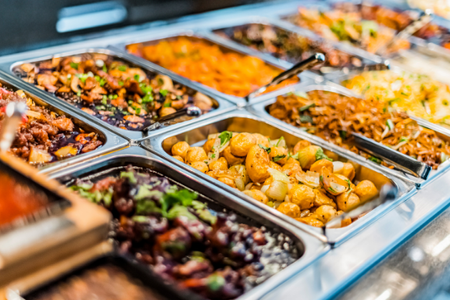
Street food is more than a quick bite on a busy day—it is often the soul of a city, a place where culture, history, and everyday life collide in one plate. From smoky grills to colorful food carts, street food tells the unfiltered story of a community. The Authentic Taste of a City Unlike fine dining restaurants that might cater to tourists, street food vendors often preserve recipes in their purest form. Think of Lagos suya, Bangkok pad thai, or Mexico City tacos—these are foods deeply tied to tradition and prepared with methods passed down through generations. To taste street food is to taste authenticity. Affordable and Accessible:food Street food is a great equalizer. It offers everyone—rich or poor—access to delicious meals without the high price tag. In many developing countries, it forms a large part of the informal economy, providing livelihoods to millions of vendors who bring flavor to the streets daily. A Social Experience:food Eating street food is rarely a solitary act. You find yourself standing shoulder-to-shoulder with strangers, bonding over skewers, bowls, or wraps. The laughter, aromas, and chatter at food stalls transform eating into a communal experience. Innovation in Simplicity Street food thrives on creativity within constraints. Vendors innovate with local ingredients and limited tools, resulting in unique flavors that sometimes inspire global food trends. For instance, the humble bánh mì sandwich from Vietnam is now a global sensation, rooted in simple street-side beginnings. Challenges and Opportunities While street food is beloved, it faces challenges such as health and hygiene concerns, lack of regulation, and sometimes displacement due to urban development. Yet, many governments and cities are beginning to recognize its cultural and economic value, setting up food festivals and markets that celebrate these culinary treasures.

Street Food delicious flavour love by mostly nigerians

Around the world, festivals are not complete without food. Dishes take center stage in cultural celebrations, serving as both symbols of tradition and anchors of community identity. Food at festivals is more than just a meal—it is storytelling, memory-making, and cultural preservation on a plate. Symbolism in Festival Foods Many festival foods carry deep symbolism. In China, mooncakes during the Mid-Autumn Festival represent unity and family togetherness. In Nigeria, rice dishes like jollof or fried rice are staples at Christmas and weddings, symbolizing abundance and joy. In India, sweets like ladoos and jalebis mark Diwali, celebrating light, prosperity, and sweetness in life. A Time of sharing food Festivals encourage generosity, and food plays a key role. Neighbors exchange meals, families cook in large quantities, and strangers are invited to join the table. This act of sharing strengthens bonds and reinforces the values of hospitality and kindness embedded in many cultures. Food as a Bridge Between Generations Festival foods are often prepared using age-old family recipes. Cooking together becomes a way to pass traditions from grandparents to grandchildren, ensuring the continuity of cultural identity. Even as younger generations modernize dishes, the essence of tradition remains intact. Tourism and Cultural Showcases Festivals also attract visitors from around the world, turning food into a cultural showcase. Tourists travel to experience Oktoberfest in Germany, Carnival in Brazil, or the New Yam Festival in Nigeria—not just for the parades and music, but also for the unique food that defines those moments. Preserving Culture in a Changing World In a rapidly globalized world, festivals help keep local food traditions alive. They remind communities of their roots, offering an opportunity to preserve culinary heritage while adapting to new influences.

Street Food: The Beating Heart of Local Food Culture

Street food is more than a quick bite on a busy day—it is often the soul of a city, a place where culture, history, and everyday life collide in one plate. From smoky grills to colorful food carts, street food tells the unfiltered story of a community. The Authentic Taste of a City Unlike fine dining restaurants that might cater to tourists, street food vendors often preserve recipes in their purest form. Think of Lagos suya, Bangkok pad thai, or Mexico City tacos—these are foods deeply tied to tradition and prepared with methods passed down through generations. To taste street food is to taste authenticity. Affordable and Accessible Street food is a great equalizer. It offers everyone—rich or poor—access to delicious meals without the high price tag. In many developing countries, it forms a large part of the informal economy, providing livelihoods to millions of vendors who bring flavor to the streets daily. A Social Experience Eating street food is rarely a solitary act. You find yourself standing shoulder-to-shoulder with strangers, bonding over skewers, bowls, or wraps. The laughter, aromas, and chatter at food stalls transform eating into a communal experience. Innovation in Simplicity Street food thrives on creativity within constraints. Vendors innovate with local ingredients and limited tools, resulting in unique flavors that sometimes inspire global food trends. For instance, the humble bánh mì sandwich from Vietnam is now a global sensation, rooted in simple street-side beginnings. Challenges and Opportunities While street food is beloved, it faces challenges such as health and hygiene concerns, lack of regulation, and sometimes displacement due to urban development. Yet, many governments and cities are beginning to recognize its cultural and economic value, setting up food festivals and markets that celebrate these culinary treasures.

The Art of Sharing Meals: How Food Shapes Culture and Connection

Food is far more than sustenance—it is one of the strongest markers of cultural identity and a universal language that transcends borders. Across centuries and continents, food has been used to build communities, express values, and celebrate traditions. Food as a Cultural Identity Every culture has dishes that tell a story. From Nigerian jollof rice battles that spark friendly rivalry across West Africa, to the Italian tradition of hand-making pasta as a symbol of family heritage, food is a thread that connects people to their roots. A single recipe can hold generations of history, passed down like a treasured heirloom. Rituals Around the Table Meals are rarely just about eating. They carry rituals that define social bonds. In many Asian cultures, sharing food from communal plates emphasizes unity and respect. In African households, large feasts are central to festivals, weddings, and funerals, reinforcing the value of togetherness. Even the Western concept of a “family dinner” represents a daily ritual of bonding. Globalization and Fusion With migration and technology, food culture continues to evolve. Sushi burritos, Nigerian suya tacos, and Korean barbecue pizza are examples of how culinary traditions fuse to create new global experiences. While some worry this dilutes cultural authenticity, others see it as a celebration of diversity and innovation. Food and Memory Smell and taste have powerful connections to memory. A whiff of fresh bread might take someone back to childhood mornings, while the aroma of spices can instantly transport one to a grandmother’s kitchen. Food binds emotions to experiences, shaping how we remember people and places. Looking Forward: Food as Activism Today, food culture is not only about tradition but also about responsibility. Movements around veganism, sustainable farming, and food waste reduction highlight how our eating habits can influence the planet. Choosing local ingredients, supporting ethical farming, or embracing plant-based meals is now part of how many cultures redefine their values in the 21st century.

Scroll to Top