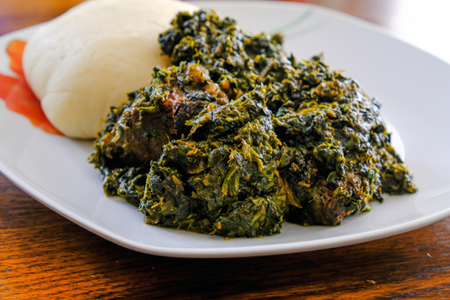
Street food is more than a quick bite on a busy day—it is often the soul of a city, a place where culture, history, and everyday life collide in one plate. From smoky grills to colorful food carts, street food tells the unfiltered story of a community.
The Authentic Taste of a City
Unlike fine dining restaurants that might cater to tourists, street food vendors often preserve recipes in their purest form. Think of Lagos suya, Bangkok pad thai, or Mexico City tacos—these are foods deeply tied to tradition and prepared with methods passed down through generations. To taste street food is to taste authenticity.
Affordable and Accessible
Street food is a great equalizer. It offers everyone—rich or poor—access to delicious meals without the high price tag. In many developing countries, it forms a large part of the informal economy, providing livelihoods to millions of vendors who bring flavor to the streets daily.
A Social Experience
Eating street food is rarely a solitary act. You find yourself standing shoulder-to-shoulder with strangers, bonding over skewers, bowls, or wraps. The laughter, aromas, and chatter at food stalls transform eating into a communal experience.
Innovation in Simplicity
Street food thrives on creativity within constraints. Vendors innovate with local ingredients and limited tools, resulting in unique flavors that sometimes inspire global food trends. For instance, the humble bánh mì sandwich from Vietnam is now a global sensation, rooted in simple street-side beginnings.
Challenges and Opportunities
While street food is beloved, it faces challenges such as health and hygiene concerns, lack of regulation, and sometimes displacement due to urban development. Yet, many governments and cities are beginning to recognize its cultural and economic value, setting up food festivals and markets that celebrate these culinary treasures.