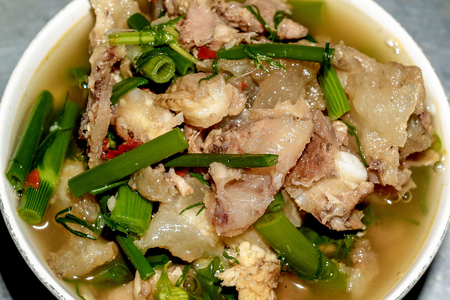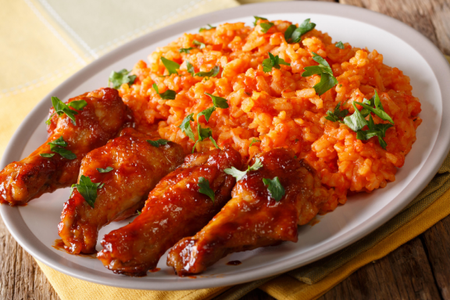
Food is far more than sustenance—it is one of the strongest markers of cultural identity and a universal language that transcends borders. Across centuries and continents, food has been used to build communities, express values, and celebrate traditions.
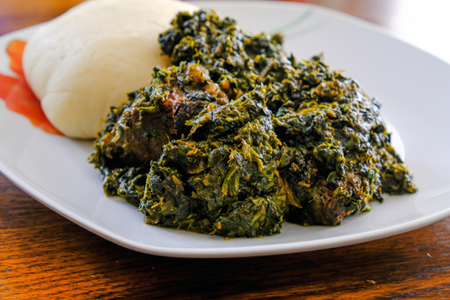
Food as a Cultural Identity
Every culture has dishes that tell a story. From Nigerian jollof rice battles that spark friendly rivalry across West Africa, to the Italian tradition of hand-making pasta as a symbol of family heritage, food is a thread that connects people to their roots. A single recipe can hold generations of history, passed down like a treasured heirloom.
Rituals Around the Table
Meals are rarely just about eating. They carry rituals that define social bonds. In many Asian cultures, sharing food from communal plates emphasizes unity and respect. In African households, large feasts are central to festivals, weddings, and funerals, reinforcing the value of togetherness. Even the Western concept of a “family dinner” represents a daily ritual of bonding.
Globalization and Fusion
With migration and technology, food culture continues to evolve. Sushi burritos, Nigerian suya tacos, and Korean barbecue pizza are examples of how culinary traditions fuse to create new global experiences. While some worry this dilutes cultural authenticity, others see it as a celebration of diversity and innovation.
Food and Memory
Smell and taste have powerful connections to memory. A whiff of fresh bread might take someone back to childhood mornings, while the aroma of spices can instantly transport one to a grandmother’s kitchen. Food binds emotions to experiences, shaping how we remember people and places.
Looking Forward: Food as Activism
Today, food culture is not only about tradition but also about responsibility. Movements around veganism, sustainable farming, and food waste reduction highlight how our eating habits can influence the planet. Choosing local ingredients, supporting ethical farming, or embracing plant-based meals is now part of how many cultures redefine their values in the 21st century.