1. Travel Through and Explore Your Taste Buds
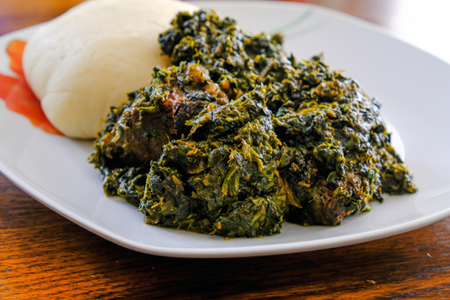
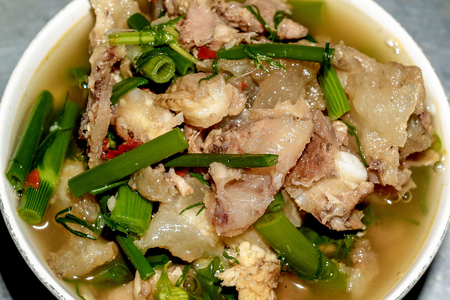
You don’t need a passport to explore global cuisine. Visit international restaurants in your city or try new recipes from different countries at home. Each dish is a doorway into a new world.
2. Learn the Story Behind the Dish
Every recipe has a history — a tale of migration, survival, or celebration. Understanding the origins of a dish deepens your appreciation and turns eating into a cultural experience.
3. Cook Traditional Meals from Scratch
Dive into cultural cooking by preparing meals using authentic methods and local ingredients. It’s a hands-on way to connect with tradition and taste its original essence.
4. Explore Local Food Markets
Markets are living museums of food culture. From exotic spices to indigenous grains, they reveal the soul of a region and its people’s relationship with nature.
5. Join Cultural Food Festivals
Festivals celebrate food as more than nourishment — they honor heritage, bring communities together, and allow you to taste seasonal and ceremonial dishes.
6. Document Your Culinary Discoveries
Create a food journal, start a blog, or share your experiences online. Reflecting on flavors, techniques, and stories makes your journey memorable and inspiring.
7. Explore: Meet the Makers
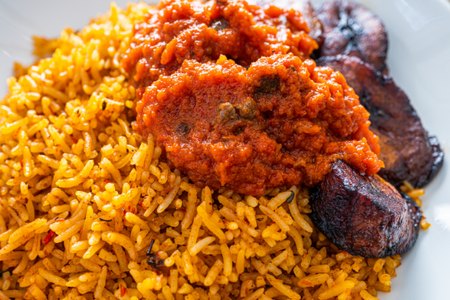
Talk to farmers, chefs, or street vendors. Their stories often reveal the cultural values, struggles, and pride woven into every dish.
8. Pair Food with History and Geography
Understand how climate, migration, and trade routes shaped cuisines. Food culture is a living archive of human adaptation and creativity.
9. Respect Cultural Practices Around Food as you Explore
Dining etiquette, meal rituals, and communal practices are as important as the food itself. They reflect a culture’s values, spirituality, and worldview.
10. Create Fusion with Care
Experimenting with flavors is exciting, but always honor the roots of the dishes you’re blending. Cultural appreciation, not appropriation, keeps food traditions alive.